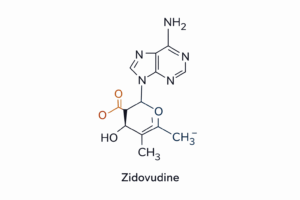
What is Zidovudine?
Zidovudine is an antiretroviral medication used to treat HIV infection. It also prevents mother-to-child transmission during pregnancy. The active ingredient is zidothymidine was the first drug approved to fight HIV. It remains a cornerstone of modern HIV treatment. It belongs to a class of drugs called nucleoside reverse transcriptase inhibitors.
Zidovudine works by interfering with how HIV copies itself inside the body. It is typically prescribed as part of a combination therapy regimen with other antiretroviral drugs.
What is Zidovudine Used For?
This medication treats HIV in adults and children when combined with other antiretroviral agents. It is also prescribed to prevent HIV transmission from mother to baby during pregnancy and delivery.
The drug helps reduce viral load the amount of HIV in your blood. When viral load drops significantly, the immune system can recover. It can fight infections more effectively.
Zidovudine alone is not sufficient to treat HIV. It must be part of a multi-drug regimen prescribed by an HIV specialist. Untreated HIV damages the immune system over time and eventually leads to AIDS.
How Does Zidovudine Work?
HIV needs an enzyme called reverse transcriptase to convert its genetic material into human DNA. Zidovudine blocks this enzyme by mimicking the building blocks of DNA.
When the virus tries to copy itself, it incorporates the medication instead of natural nucleotides. This breaks the chain and prevents new viral copies from forming. The result is a slower reproduction rate of HIV in your bloodstream. Over weeks and months, viral load decreases as existing virus dies.
Most patients see viral load decline within 2 to 4 weeks of starting combination therapy. The earlier treatment begins, the better the outcome for immune system preservation.
In What Strengths is Zidovudine Available?
Zidovudine 100 mg capsules are the standard oral form for adults. Zidovudine 300 mg tablets are also widely prescribed. For children, liquid formulations at 10 mg per milliliter are available. Some patients use Zidovudine 500 mg extended-release tablets for once-daily dosing options.
Your doctor will select the strength based on your weight and kidney function. Other medications you take also matter. Dosage adjustments may be needed if you develop anemia or other side effects. The right strength is important too little reduces effectiveness, while too much increases toxicity risk.
How to Take Zidovudine and Dosage Instructions
Zidovudine 300 mg is typically taken twice daily or as directed by your HIV doctor. Once-daily extended-release formulations exist as well. Take this medication with or without food, though taking it consistently with meals may improve tolerance.
Swallow tablets whole with water do not crush or chew them unless prescribed a chewable form. Set a specific time each day to take your dose. This maintains steady drug levels in your blood. Missing doses allows the virus to replicate more freely. It also increases resistance risk.
If you miss a dose and remember within a few hours, take it immediately. If almost time for your next dose, skip the missed one entirely. Never double-dose to make up for a missed tablet. Consistent dosing is more important than perfect timing. Skipping doses repeatedly can lead to treatment failure and drug-resistant HIV strains.
What Are the Side Effects of Zidovudine?
The most common side effects include nausea, headache, fatigue, and muscle aches. These often occur in the first weeks of treatment. They typically improve as your body adjusts to the medication.
Anemia develops in some patients because Zidovudine can slow red blood cell production. Your doctor will monitor your blood counts with regular testing. Lipoatrophy loss of fat under the skin and around the face is a longer-term concern.
Other reported side effects include insomnia and dark nail discoloration. Lactic acidosis is rare but serious. It is a buildup of lactate in the blood that requires immediate medical attention. Symptoms include severe nausea, vomiting, difficulty breathing, and unusual muscle pain. Seek emergency care if these develop.
Most side effects can be managed with dose adjustment. Additional medications prescribed alongside Zidovudine may help as well.
Who Should Not Take Zidovudine?
Do not use this medication if you are allergic to zidovudine or any component of the formulation. Patients with severe bone marrow suppression should avoid it. A hemoglobin count below 7.5 grams is also a concern.
Speak with your doctor if you have kidney disease, liver disease, or a history of pancreatitis. Pregnancy requires special consideration while Zidovudine prevents mother-to-child transmission, dosing differs from standard protocols. Breastfeeding while taking antiretroviral medication is not recommended in most developed countries due to transmission risk.
Certain medications interact with Zidovudine, including some antibiotics and anticonvulsants. Inform your doctor of all current prescriptions. A qualified HIV specialist should review your complete medical history before starting treatment.
What is the Price of Zidovudine?
GetHIVTreatment stocks Zidovudine 300 mg at competitive pricing for patients with and without insurance coverage. Exact pricing depends on tablet quantity, form, and your location. Generic versions cost significantly less than brand-name formulations.
Most insurance plans cover this medication when prescribed by a licensed physician. Patient assistance programs and government-funded HIV treatment programs may provide Zidovudine at reduced or no cost. Eligibility depends on income. Ask your pharmacy or clinic about available discount programs and patient support services.
What Are the Alternatives to Zidovudine?
Other nucleoside reverse transcriptase inhibitors include lamivudine (3TC), abacavir, and emtricitabine. Non-nucleoside reverse transcriptase inhibitors like efavirenz and rilpivirine work through a different mechanism. Protease inhibitors such as ritonavir-boosted darunavir block HIV protease enzyme.
Integrase strand transfer inhibitors including dolutegravir and bictegravir prevent viral DNA integration. Modern HIV regimens often use a combination of drug classes. This provides maximum viral suppression.
Some patients switch from Zidovudine to alternatives due to anemia or lipoatrophy concerns. Your HIV doctor will recommend the most appropriate regimen based on your viral load and CD4 count. Medical history also plays a role in this decision.

 1 × $10.00
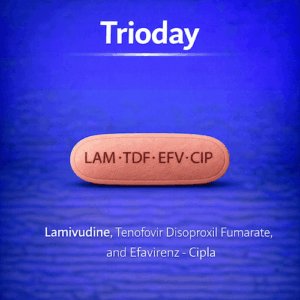 1 × $40.00
 1 × $75.00
 1 × $24.00
 1 × $26.00
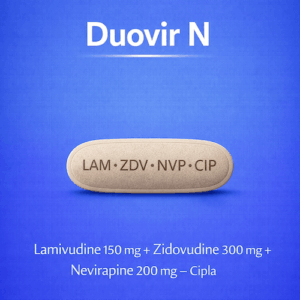 1 × $13.00