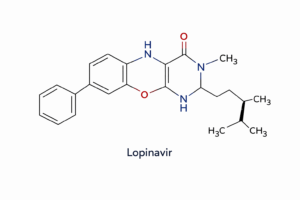
What is Lopinavir?
Lopinavir is an antiretroviral medication. It belongs to a class of drugs called protease inhibitors. The active ingredient blocks protease enzymes that HIV uses to replicate inside the body. When protease is inhibited, the virus cannot produce functional viral particles. This stops HIV from spreading to new cells and slows disease progression. Lopinavir is typically prescribed as a combination therapy. It’s used alongside other antiretroviral drugs to maximize effectiveness.
What is Lopinavir used for?
Lopinavir is used to treat HIV-1 infection in adults and children. HIV gradually weakens the immune system by destroying CD4 cells. These cells are essential for fighting infections and disease. Without treatment, HIV progresses to AIDS. This leaves the body vulnerable to serious opportunistic infections. This medication helps control viral load and preserve immune function.
When taken consistently as part of a combination antiretroviral regimen, it allows people with HIV to live longer, healthier lives. Treatment also reduces the risk of transmitting HIV to sexual partners.
How does Lopinavir work in the body?
HIV replicates by inserting its genetic material into human cells. The virus then uses cellular machinery to produce new viral proteins. It produces a large polyprotein that must be cut into smaller pieces. The protease enzyme does this cutting. Lopinavir binds tightly to this protease and blocks its active site. When protease cannot function, immature viral particles accumulate instead. The body’s immune system can then clear these defective particles more effectively.
This reduces overall viral load and gives the immune system time to recover.
Most patients ask whether food affects absorption. It does. Take it with a meal to maximize bioavailability.
In what strengths is Lopinavir available?
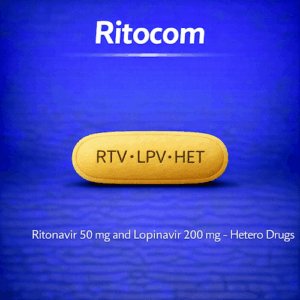
Lopinavir 200 mg is the most commonly prescribed strength. It’s typically combined with ritonavir 50 mg. This boosts its concentration in the bloodstream. The combination is often labeled as Lopinavir/ritonavir 200/50 mg. Some formulations provide Lopinavir 100 mg with ritonavir 25 mg. This option is for patients requiring lower doses. Tablets, capsules, and oral solutions are available.
The choice depends on patient preference and age. The exact strength prescribed depends on body weight, other medications, and individual viral resistance patterns.
How to take Lopinavir and what dosage is correct?
Lopinavir/ritonavir 200/50 mg is typically taken twice daily with food. Taking it with food optimizes absorption. Take it at the same times each day. This maintains steady drug levels in the bloodstream. Missing doses allows viral replication to resume.
It increases the risk of drug-resistant strains developing. If a dose is missed and you remember within a few hours, take it as soon as possible. Never double the next dose to make up for a missed one. Food enhances absorption, so consistent meal timing with each dose improves treatment outcomes.
Adherence to the exact schedule is critical. Viral resistance can develop rapidly if drug levels drop too low. Keep a medication reminder on your phone. Use a pill organizer to track doses. Your doctor may adjust dosing based on blood tests. These tests measure viral load and CD4 count.
What are the side effects of Lopinavir?
Common side effects include diarrhea, nausea, and abdominal discomfort. Protease inhibitors irritate the gastrointestinal lining. They also affect bile acid metabolism, triggering these digestive effects. Many patients develop loose stools or cramping within the first few weeks. These symptoms often improve as the body adjusts. Taking the medication with food and staying hydrated can reduce gastrointestinal upset.
Other side effects include fatigue, headache, and changes in taste. Some patients experience elevated cholesterol or triglyceride levels. This occurs because protease inhibitors alter lipid metabolism in the liver. Rash, liver enzyme elevation, and pancreatitis can occur but are less common. Severe pancreatitis causes intense abdominal pain. This requires immediate medical attention.
Who should not take Lopinavir?
Patients with severe liver disease or cirrhosis should not use this medication. The liver cannot process it safely. Lopinavir is not recommended for anyone with a documented allergy to the drug or ritonavir. Certain medications interact dangerously with protease inhibitors. These include some cholesterol drugs, blood pressure medications, and erectile dysfunction treatments.
St. John’s Wort reduces Lopinavir levels. It should be avoided. Pregnant women should discuss this medication carefully with their HIV specialist. Timing and formulation matter for fetal safety.
People taking blood thinners like warfarin need frequent monitoring. Lopinavir affects their metabolism. Anyone with heart rhythm problems should inform their doctor before starting treatment. Kidney disease does not contraindicate use. However, liver disease severity must be assessed first.
What is the price of Lopinavir?
GetHIVTreatment stocks Lopinavir/ritonavir 200/50 mg at $2.15 per tablet. Pricing varies slightly depending on the formulation and quantity ordered. Many insurance plans cover antiretroviral medications under HIV treatment programs. Patient assistance programs and government subsidies may reduce out-of-pocket costs. Online ordering through licensed pharmacies offers accessibility for people without nearby HIV clinics.
What are alternatives to Lopinavir?
Atazanavir is another protease inhibitor often used instead. It requires once-daily dosing and causes less diarrhea. Integrase inhibitors like dolutegravir have become first-line agents. They have fewer side effects and simpler dosing. Non-nucleoside reverse transcriptase inhibitors such as efavirenz can substitute for protease inhibitors in some regimens. Nucleoside reverse transcriptase inhibitors including tenofovir and emtricitabine form the backbone of most modern combination therapies.
The choice depends on viral resistance patterns. It also depends on other health conditions and medication interactions. Your HIV specialist will recommend the combination most likely to suppress your specific viral strain. They’ll minimize side effects and pill burden too.

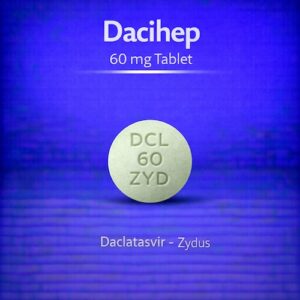 1 × $60.00
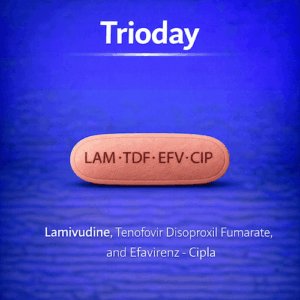 1 × $40.00
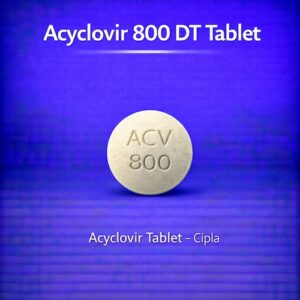 1 × $30.00
 1 × $25.00