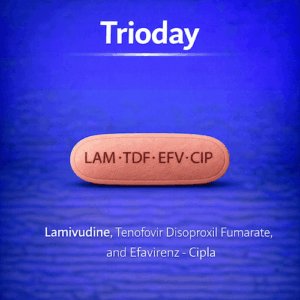
Efavirenz lamivudine tenofovir disoproxil fumarate tablets combine three HIV medications into one pill. Efavirenz, lamivudine, and tenofovir disoproxil fumarate each block the virus at different stages. You take one tablet once daily. Healthcare providers worldwide trust this combination for managing HIV in most patients.
One pill is easier to remember than three separate ones. Many patients stick with treatment better when taking a single tablet daily. Consistency with HIV medication is critical. It keeps viral load suppressed and prevents resistance.
What Is It Used For?
This combination tablet stops HIV from multiplying inside your body. HIV attacks CD4 cells, which your immune system needs to fight infection. Without treatment, the virus spreads rapidly and destroys your immune function. When CD4 counts drop too low, even a minor cold becomes dangerous.
Efavirenz lamivudine tenofovir disoproxil fumarate tablets slow this viral replication. They do not cure HIV. But they prevent the disease from progressing to AIDS. With consistent use, you maintain healthy CD4 counts and reach an undetectable viral load.
An undetectable viral load means you cannot transmit HIV to others sexually. This medication is prescribed as first-line therapy in most treatment guidelines.
The tablets work best when taken exactly as prescribed every day. Missing doses allows the virus to multiply and develop drug resistance.
How Does It Work?
Each ingredient blocks HIV replication at a different point. Efavirenz is a non-nucleoside reverse transcriptase inhibitor. It stops the virus from converting its RNA into DNA. Without this conversion, the virus cannot integrate into your cells.
Lamivudine is a nucleoside reverse transcriptase inhibitor. It gets incorporated into the viral DNA chain and causes chain termination. The enzyme stops mid-process, leaving an incomplete genetic copy the virus cannot use.
Tenofovir disoproxil fumarate is a nucleotide reverse transcriptase inhibitor. It also works on the reverse transcriptase enzyme through a slightly different mechanism. This triple-pronged approach makes resistance far less likely.
When three drugs attack the same target from different angles, the virus has nowhere to hide. Most patients reach undetectable viral load within 12 to 24 weeks.
In What Strengths Is It Available?
These tablets contain 600 mg efavirenz, 300 mg lamivudine, and 300 mg tenofovir disoproxil fumarate. This is the standard and only fixed-dose strength available. Individual components can be dosed separately for special circumstances like kidney problems. But most patients use the single fixed-dose tablet.
The strength matches recommended therapeutic doses for all three agents. This approach simplifies treatment and improves adherence.
How Should You Take It?
Take one tablet by mouth once daily, preferably in the evening. Evening dosing helps manage dizziness or vivid dreams that can occur. These side effects often diminish within weeks but are worse during daytime. Swallow the tablet whole with water at room temperature. Food is optional—absorption works with or without meals.
Set a specific time each day and stick to it. Consistency maintains constant drug levels in your blood. Missing doses allows viral replication to resume and increases resistance risk.
If you miss a dose, take it as soon as you remember. Skip it only if your next dose is nearly due. Never double up doses. Keep tablets in their original container away from heat and moisture.
Bathroom medicine cabinets are not ideal due to humidity.
What Are the Side Effects?
Neurological side effects occur mainly in the first few weeks. About 50% of patients experience dizziness, difficulty concentrating, or vivid dreams. These usually improve within 2 to 4 weeks. Taking the tablet at night reduces daytime impact. Efavirenz crosses into your central nervous system temporarily. Your brain adjusts tolerance as exposure continues.
Nausea, vomiting, and diarrhea occur in some patients. These are typically mild and temporary. Food often reduces these symptoms. Other reported effects include headache, rash, and fatigue.
Rash should be evaluated by your doctor. It could indicate Stevens-Johnson syndrome, though this is rare.
Serious side effects need immediate attention: severe blistering rash, yellow skin or eyes, or difficulty breathing. Kidney function should be monitored periodically because tenofovir affects kidney health over time.
Who Should Not Take It?
Do not take this medication if you are allergic to any ingredient. Severe liver disease is a contraindication. Your liver must metabolize these drugs to clear them from your body.
Pregnant women should avoid this combination—efavirenz poses birth defect risks. Women of childbearing age must use consistent contraception while taking it. Do not breastfeed while taking this medication. HIV transmits through breast milk, and the infection risk to your infant is significant.
Patients with severe kidney impairment need dose adjustment or alternative regimens. Baseline kidney testing is necessary before starting therapy. Certain drug interactions require avoidance. Tell your doctor about all other medications before beginning treatment.
What Is the Price?
GetHIVTreatment offers both generic and branded versions. Generic versions are typically more affordable. Insurance coverage varies based on your plan. Many patients access this medication through government HIV programs at reduced or no cost.

 1 × $40.00