Category: HIV Medicine
HIV medicines are antiretroviral drugs that stop the virus from multiplying by blocking key enzymes. They reduce viral load, prevent AIDS progression, and allow people with HIV to live normal lifespans with proper treatment adherence.



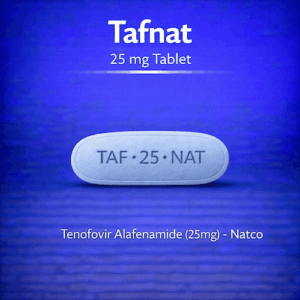

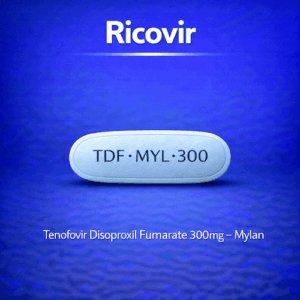
What Is HIV Medicine?
HIV medicines are antiretroviral drugs that stop the human immunodeficiency virus from multiplying in your body. The active ingredients work by blocking enzymes the virus needs to copy itself. Without replication, HIV cannot damage your immune system.
Modern HIV treatment prevents the virus from becoming undetectable in your blood.
HIV medicines come in different classes based on how they attack the virus. Some block reverse transcriptase, an enzyme HIV uses to convert its genetic material. Others inhibit protease, which the virus needs to assemble new copies. Integrase inhibitors prevent HIV from inserting itself into your DNA.
Each class works through a different biological pathway. The goal is always the same: stopping viral growth.
Treatment with these medications has transformed HIV from a fatal diagnosis into a manageable chronic condition. People taking HIV medicines properly can live normal lifespans. You can also prevent transmission to sexual partners.
The key is starting treatment early. Take your doses exactly as prescribed.
What Is HIV Medicine Used For?
HIV medicines treat human immunodeficiency virus infection in people diagnosed with HIV. They reduce the viral load, which is the amount of HIV in your blood. When viral load drops below detectable levels, your immune system starts recovering and strengthening.
These medications also prevent HIV from developing into AIDS. AIDS occurs when HIV has damaged so many immune cells that your body cannot fight infections. Starting treatment before this stage prevents serious complications like pneumonia, tuberculosis, and certain cancers.
Another critical use is prevention in people exposed to HIV. Post-exposure prophylaxis involves taking specific antiretroviral drugs within 72 hours after potential exposure. This emergency use can stop infection from taking hold.
HIV medicines also reduce transmission risk between sexual partners. When viral load becomes undetectable through treatment, a person cannot pass HIV to others sexually. This is called U=U: undetectable equals untransmittable.
Regular testing confirms whether your treatment is working at this level.
How Does HIV Medicine Work?
HIV medicines stop the virus by blocking essential enzymes it needs to replicate. Here is the biological sequence: HIV enters a CD4 immune cell and uses reverse transcriptase to copy its RNA into DNA. Reverse transcriptase inhibitors block this step.
They prevent the virus from integrating into your cells.
Once HIV DNA enters your cell nucleus, it needs integrase to splice itself into your genome. Integrase inhibitors prevent this insertion. Without integration, the viral genetic material cannot direct your cells to make new virus copies.
Even if integration succeeds, the virus must still assemble new particles. Protease cuts up long viral proteins into functional pieces. Protease inhibitors keep these proteins uncut and useless.
The result is simple: viral replication stops.
Your CD4 count rises because the virus cannot destroy immune cells as quickly. Over weeks and months, your immune system rebuilds its strength. This recovery allows your body to fight infections that HIV would normally make dangerous.
In What Strengths Is HIV Medicine Available?
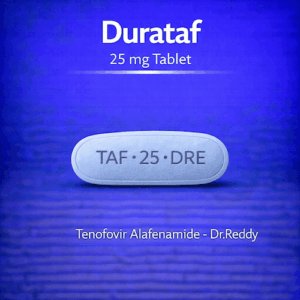
HIV medicines are manufactured in multiple strengths to allow flexible dosing. Common strengths for reverse transcriptase inhibitors include 300 mg and 600 mg tablets. Protease inhibitors typically range from 100 mg to 400 mg per capsule or tablet.
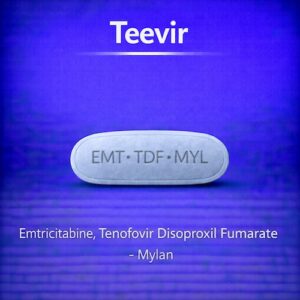
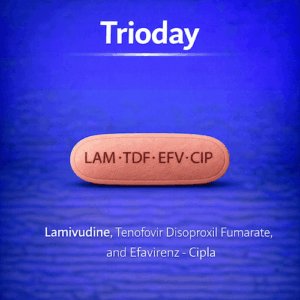
Integrase inhibitors are often dosed at 50 mg per tablet. Combination pills containing two or three active ingredients simplify taking multiple drugs. For example, a single tablet might contain tenofovir, lamivudine, and efavirenz in fixed doses.
Your doctor selects the strength based on your HIV strain. Other health conditions also influence the choice. Some people need single-tablet regimens for easy adherence.
Others require separate pills that allow dose adjustment.
Pediatric formulations exist as syrups and smaller tablets for children with HIV. Dosing in children depends on weight and age. Liquid formulations help ensure accurate dosing for young children who cannot swallow tablets.
How to Take HIV Medicine and Dosage Steps
Take your HIV medicine exactly as your doctor prescribes. Most antiretroviral regimens require one or two doses daily. Set a specific time each day and stick to it without variation.
Some HIV medicines must be taken with food. Check your prescription label or ask your pharmacist whether food is required. Taking a fat-containing meal with certain protease inhibitors increases drug levels significantly.
Taking the same medication on an empty stomach reduces its effectiveness.
Swallow tablets whole with water unless your doctor says otherwise. Do not crush, chew, or open capsules. Some formulations release active ingredients slowly over hours. Breaking them destroys this timed-release property.
Drug levels drop when you break tablets.
If you miss a dose, take it as soon as you remember. However, if your next dose approaches within a few hours, skip the missed dose entirely. Never double-dose to make up for a missed one.
Doubling your intake can cause serious side effects.
Keep your doses consistent even when traveling or changing your routine. Skipping doses allows HIV to develop resistance to your medications. Resistant virus strains require switching to different drugs. This limits future treatment options significantly.
What Are the Side Effects of HIV Medicine?
Most side effects from HIV medicines occur in the first few weeks. Your body adjusts to the medication during this time. Nausea and stomach upset happen because antiretroviral drugs irritate the gastrointestinal tract lining.
These effects usually fade within a month.
Diarrhea and loose stools result from protease inhibitors. They alter how your intestines absorb nutrients and water. This side effect improves over time as your gut adjusts to the medication. Taking your medicine with food reduces digestive upset significantly.
Headaches and dizziness occur with some reverse transcriptase inhibitors. These affect the central nervous system in some people. These symptoms typically resolve within two to four weeks.
Staying hydrated helps minimize these effects.
Rash and skin reactions happen occasionally and range from mild to severe. Report any widespread rash to your doctor immediately. Some rashes indicate a serious allergic reaction requiring emergency care.
Lipid changes occur with certain protease inhibitors. They raise cholesterol and triglyceride levels in your blood. High lipids increase your risk of heart disease over years of treatment. Your doctor monitors blood lipid levels regularly.
Additional medications may be prescribed if needed.
Who Should Not Take HIV Medicine?
People with severe kidney disease should avoid certain antiretroviral drugs. Some medications are processed through the kidneys. They build up to toxic levels in kidney failure. Your doctor tests kidney function before choosing your regimen.
Liver disease requires careful medication selection. Many HIV drugs are metabolized by the liver. Hepatitis B coinfection impacts which antiretrovirals you can safely take.
Pregnant women need specialized regimens. They must protect both mother and fetus. Some older antiretroviral drugs cause birth defects. Modern combination therapies have excellent safety records in pregnancy.
Never stop treatment because you are pregnant.
Patients on certain heart medications must avoid specific HIV drugs. Protease inhibitors interact with blood pressure drugs and cardiac medications. Your doctor reviews all your medications before selecting your regimen.
People with untreated psychiatric conditions should discuss mental health medication interactions. Some antiretroviral drugs affect mood and concentration. These effects can be managed by adjusting doses or switching medications.
What Is the Price of HIV Medicine?
HIV medicines vary in price depending on the specific drug and strength. Newer regimens typically cost more than older, established medications. A month’s supply of combination antiretroviral therapy ranges from $1,500 to $3,000 in the United States.
GetHIVTreatment stocks HIV medicines at competitive rates. Those purchasing without insurance coverage can find better pricing here. Generic versions of established drugs cost considerably less than brand-name formulations.
Your local pharmacy may offer different pricing.
Most insurance plans cover HIV treatment completely. Patient assistance programs through pharmaceutical manufacturers provide free or low-cost medications for uninsured patients. Many countries have government programs that cover antiretroviral therapy at no cost.
Pricing varies significantly by country and healthcare system. Ask your doctor or pharmacist about assistance programs in your region.
What Are Alternatives to HIV Medicine?
Alternative antiretroviral drugs exist within the same classes if you experience side effects. Switching from one reverse transcriptase inhibitor to another may eliminate nausea or rash. Your doctor can adjust your regimen while maintaining effectiveness.
Combination therapy using drugs from different classes provides options. It helps people with resistant HIV. If your virus develops resistance to one medication, adding drugs from untested classes overcomes this resistance. Treatment-experienced patients often use three or four medications together.
Long-acting injectable antiretroviral therapies are newer options. They require injections every month or two instead of daily pills. These reduce the burden of daily medication.
Viral suppression continues with long-acting options.
Prevention medications for HIV-negative people offer alternatives to treatment-as-prevention. Pre-exposure prophylaxis involves taking antiretroviral drugs before exposure. This prevents infection in high-risk individuals. It differs from treating existing infection.
Monoclonal antibody treatments represent cutting-edge alternatives under development. These laboratory-engineered proteins attack HIV directly. Current antibody therapies require frequent infusions and remain experimental.
The fundamental principle remains constant: stopping HIV replication protects your health. It also prevents transmission. Work with an HIV specialist to find the regimen that works best for you.