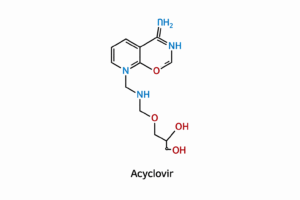
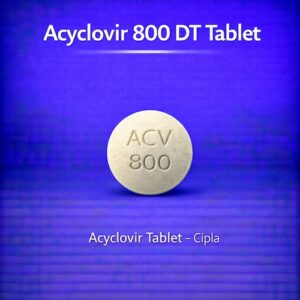
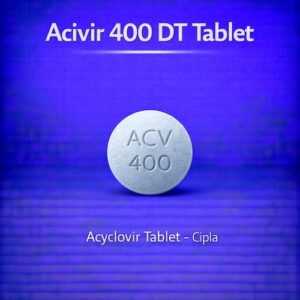
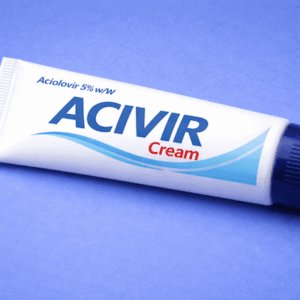
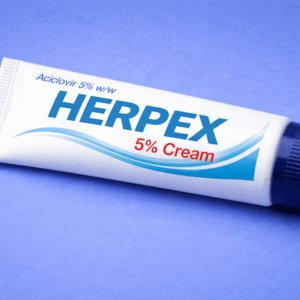
Acyclovir comes in many forms. There are tablets, cream, ointment, and I.V. There is a 5 percent skin cream or ointment. In hospitals, there is an IV form. In some regions, an eye ointment is also available. Your doctor chooses the right form based on the condition and how severe it is.
How Acyclovir works?
Herpes viruses need to copy their DNA to make more virus. Acyclovir looks like a building block of DNA. In infected cells, it turns into an active form. Then it gets inside the viral DNA chain. The copying stops. The virus struggles to grow. Your immune system gets the upper hand. Sores heal. Pain reduces. Fewer new lesions appearence and occurances.
Uses
- Cold sores around the lips and face. Best results if you start at the very first sensation.
- Genital herpes first episode and recurrences. You must take daily for suppression if outbreaks are frequent.
- Shingles in adults. Early start helps reduce pain and lowers the chance of long-lasting nerve pain.
- Chickenpox in high-risk adults and some children is recommended when advised by the doctor.
- Severe or widespread herpes in people with weak immunity. Often needs IV treatment in a hospital.
- Herpes keratitis of the eye. Needs special eye ointment or drops as prescribed.
Who should not take it?
Do not take acyclovir if you have had a serious allergy to it before. Tell your doctor if you have kidney disease. The dose may need to be changed. Tell if you are elderly or dehydrated. Risk of side effects goes up. Share all medicines you take. Share any vitamins or herbal products, too. It helps avoid harmful interactions.
How to take it
Follow the dose that your doctor writes. Do not change it yourself. Here are common patterns used in practice. These are only examples.
- Cold sores: Oral acyclovir is often taken for 5 days.
- Genital herpes: For a first episode, treatment usually lasts 7 to 10 days. For recurrences, shorter courses may work if started early. Some people use daily suppressive therapy to prevent frequent attacks.
- Shingles: Common regimens use high-dose tablets for 7 to 10 days. Start within 72 hours of rash if possible.
- Chickenpox: Usually 5 days of therapy if the doctor decides it is needed.
- Topical cream: Apply a thin layer to the affected skin as directed. Wash your hands before and after. Avoid the eyes and mouth unless the product is made for those areas.
- IV acyclovir: Given in the hospital for serious infections. The dose is by weight and kidney function.
If you miss a dose, take it when you remember. If it is close to the next one, skip the missed dose. Do not double. Drink enough water during therapy. This supports kidney safety.
Important warnings and precautions
Kidney safety: Acyclovir leaves the body through the kidneys. Crystals can form in rare cases. This can harm the kidneys. Good hydration lowers the risk. A dose change may be needed if the kidneys work slowly.
Neurologic effects: Confusion, tremor, or sleepiness can occur. This is more likely in elderly people or in kidney problems. Report these symptoms fast.
Allergic reactions: Rash, swelling, breathing trouble. Stop the medicine and seek help.
Use in pregnancy: Acyclovir is often considered when benefits outweigh risks. Many doctors use it for genital herpes suppression late in pregnancy. The goal is to reduce outbreaks at delivery. Your obstetrician will guide you.
Breastfeeding: Small amounts may pass into milk. The baby’s exposure is low. Discuss with your doctor to decide safely.
Eye disease: Never self-treat eye symptoms. Eye herpes can threaten vision. See an eye specialist quickly.
Note: Always carry extra dosage with you if you are having frequent herpes breakouts to reduce painful blisters from forming back and again.
Side effects
Most side effects are mild. Many go away after a few days.
- Nausea, stomach upset, diarrhea
- Headache, tiredness, dizziness
- Skin irritation with cream or ointment
- Itching or mild rash
Serious effects are rare. Stop and contact a doctor if you have decreased urine, swelling of legs, severe drowsiness, confusion, vision changes, yellow eyes or skin, or an intense rash.
Drug interactions
Some medicines raise the chance of kidney or neurologic side effects with acyclovir. Examples include high-dose NSAIDs, aminoglycoside antibiotics, amphotericin B, cyclosporine, tacrolimus, and contrast dyes used in scans. Probenecid can increase acyclovir levels. Cimetidine may also increase levels. Tell your doctor if you take lithium. Both drugs use the kidneys to clear, and levels may rise. Never start or stop any drug without checking with your doctor or pharmacist.
Tips for best results
Start treatment as early as possible. For cold sores, the first tingling is the signal.
- Take the full course even if you feel better.
- Drink water throughout the day.
For genital herpes, learn your triggers. Stress, illness, sun, and friction can bring outbreaks. Use protection during sexual contact. When lesions are present, avoid sexual activity until healed.
For shingles, early therapy and pain control matter. Ask about vaccines if you are eligible in the future.
Keep a diary of outbreaks. It helps your doctor fine-tune the plan.
Storage and handling
Store tablets and suspension at room temperature. Keep them dry. Keep away from direct sunlight. Do not freeze the suspension. Shake the bottle before each dose. Do not use after expiry. Keep all medicines out of reach of children and pets.
FAQs
Does acyclovir cure herpes permanently?
No. It controls the virus. It reduces outbreaks and speeds healing.
Can I drink alcohol while taking it?
Light alcohol is usually not a big issue. Heavy drinking can dehydrate you and is not advised.
Is resistance possible?
Yes, but uncommon in people with normal immunity. If sores do not respond, talk to your doctor.
Can I use the cream for genital herpes inside the vagina or rectum?
Do not. Use only as directed on the skin. For genital herpes, you usually need oral tablets.
Sources
- U.S. FDA. Acyclovir prescribing information.
- CDC. Sexually Transmitted Infections Treatment Guidelines.
- World Health Organization resources on herpes zoster and antiviral use.
- British National Formulary monograph for aciclovir.

 1 × $48.00
 1 × $75.00