
Category: Herpes Antiviral Medicine
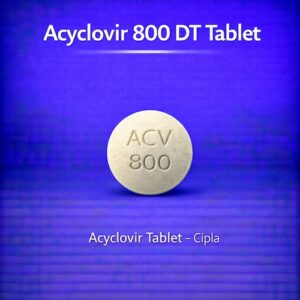
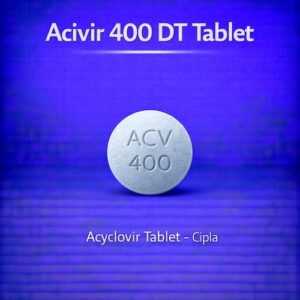
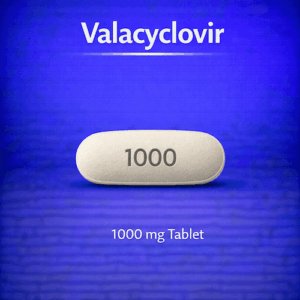
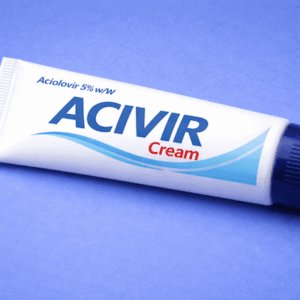
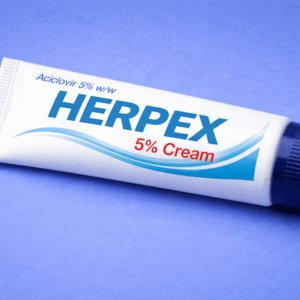
Herpes antiviral medicine is a prescription drug for treating herpes simplex virus (HSV) infections. Most herpes antivirals contain acyclovir or similar drugs like valacyclovir and famciclovir. These medications stop the virus from copying itself. They do not cure herpes completely, but they reduce outbreak frequency and severity.
Acyclovir was first approved for herpes treatment in the 1980s. It remains the standard choice today. The drug belongs to a class called nucleoside analogues. These compounds mimic building blocks the virus needs to replicate. When the virus uses the fake building block instead of the real one, its DNA chain breaks and replication stops.
Herpes antiviral medicine comes in several forms. Oral tablets are most common for managing recurrent outbreaks. Intravenous formulations treat severe infections. Topical creams address localized cold sores and genital lesions. Your doctor will recommend the right form based on infection type and severity.
Most patients tolerate this medication well when taken as directed. Consistency matters most with herpes treatment. Missing doses allows the virus to multiply again.
What is herpes antiviral medicine used for?
Herpes antiviral medicine treats both HSV-1 and HSV-2 infections. HSV-1 typically causes cold sores on the mouth and lips. HSV-2 usually causes genital herpes. Both viruses spread through direct contact with infected areas.
The medicine serves three main purposes: treating active outbreaks, suppressing recurrent episodes, and reducing transmission risk. During an outbreak, herpes antiviral medicine speeds healing by days. It also reduces pain and shortens the period when the virus sheds from your skin.
Suppressive therapy uses lower daily doses to prevent outbreaks. People with frequent recurrences—more than six per year—benefit most. Studies show suppressive herpes antiviral treatment reduces outbreak frequency by 70 to 80 percent.
Reducing transmission is critical for sexual partners. Taking medicine daily while infected lowers the chance of passing HSV to an uninfected partner by approximately 50 percent. Barrier methods like condoms work best alongside medication.
Healthcare providers also prescribe this medication to people with weakened immune systems. Organ transplant recipients and those with advanced HIV need extra protection from severe herpes infection.
How does herpes antiviral medicine work?
The active ingredient enters infected cells where a viral enzyme activates it. This enzyme is called thymidine kinase. The activated drug then targets viral DNA polymerase. This enzyme copies the virus’s genetic material.
Once activated, herpes antiviral medicine inserts itself into the growing viral DNA strand. This causes chain termination. The virus cannot continue building new copies of itself. The result is incomplete viral DNA that cannot produce infectious particles.
Healthy cells are largely unaffected. They do not contain the viral enzyme needed to activate the drug. This selectivity means side effects remain relatively mild. The medicine targets infected cells specifically.
Drug concentration in infected tissue determines how quickly symptoms improve. Blood levels peak within one to two hours of taking an oral dose. The medication then circulates through infected areas where it accumulates.
Different formulations affect how the body processes the medicine. Valacyclovir, a derivative of acyclovir, absorbs better from the gut. Famciclovir converts to penciclovir inside cells, offering longer activity. Your doctor chooses based on infection location and your medical history.
In what strengths is herpes antiviral medicine available?
Acyclovir tablets come in 200 mg, 400 mg, and 800 mg strengths. The 400 mg strength is standard for outbreak treatment. Suppressive therapy often uses 400 mg twice daily.
Valacyclovir comes in 500 mg and 1000 mg tablets. This form requires fewer daily doses. The body converts it to acyclovir with better efficiency. Many patients prefer valacyclovir for convenience.
Famciclovir tablets contain 125 mg, 250 mg, or 500 mg. The 250 mg strength treats outbreaks. Higher doses work for suppression.
Topical creams deliver acyclovir or penciclovir directly to skin lesions. Cream concentrations range from 5 to 10 percent. These work best when applied at the first sign of tingling or pain.
Intravenous formulations contain acyclovir at 500 mg per vial. Hospitals use these for severe disseminated infection or herpes meningitis. This form bypasses the digestive system entirely.
Your doctor determines the right strength based on outbreak severity and frequency. Higher strengths work faster but cost more. Consistent dosing matters more than the exact strength chosen.
How to take herpes antiviral medicine and dosage steps
For acute outbreaks, take herpes antiviral medicine at the first sign of symptoms. Tingling, burning, or itching signals the virus is activating. Starting treatment within 24 hours of symptom onset produces the best results.
Standard outbreak dosing for acyclovir 400 mg is one tablet five times daily. Treatment lasts seven to ten days. Space doses evenly throughout the day. Missing a dose or doubling up disrupts blood levels and delays healing.
Valacyclovir 500 mg is taken three times daily during an outbreak. This simpler schedule helps people remember doses. The same seven to ten day course applies.
Suppressive therapy uses lower daily doses over months or years. Acyclovir 400 mg twice daily is common for HSV-1 suppression. HSV-2 suppression often requires 400 mg twice daily or 800 mg once daily. Consistency prevents breakthrough outbreaks.
Take herpes antiviral medicine with or without food. Water helps tablets dissolve and reach your bloodstream. Some people report better results taking these medications with meals.
If you miss a dose, take it as soon as you remember. Skip the missed dose only if your next dose is within two hours. Never double up on doses. Doubling creates dangerously high blood levels.
Topical creams apply directly to sores four to six times daily. Use a cotton swab or gloved finger. Apply a small amount covering the affected area completely. Wash hands after application to avoid spreading virus.
What are the side effects of herpes antiviral medicine?
Headache is the most common side effect. It occurs in 10 to 20 percent of users. The drug concentrates in nerve tissue where herpes lives. This neurological presence triggers pain signals in sensitive individuals. Staying hydrated and taking medication with food often reduces headache severity.
Nausea affects some patients, particularly those taking higher doses. The digestive system processes acyclovir and converts valacyclovir into acyclovir. This conversion produces stomach irritation in susceptible people. Taking medication with a light meal typically alleviates nausea.
Dizziness or confusion can occur in patients with kidney problems. The kidneys eliminate herpes antiviral medicine from your body. When kidney function declines, the drug accumulates to harmful levels. Older adults and those with existing kidney disease need dose adjustments.
Tremors and hallucinations are rare but serious side effects. These neurological symptoms indicate drug levels are too high. Immediate medical attention is necessary if tremors develop or mental confusion worsens.
Rash appears occasionally on skin not affected by herpes. This allergic reaction requires stopping the medication. Notify your doctor immediately if a rash develops.
Kidney problems can develop with prolonged use. Regular blood work monitors kidney function in patients taking suppressive therapy. Staying well hydrated throughout treatment protects kidney health.
Who should not take herpes antiviral medicine?
Do not take herpes antiviral medicine if you are allergic to acyclovir or any formulation component. Allergic reactions range from mild rash to severe anaphylaxis. Inform your doctor about all drug allergies before starting treatment.
Patients with severe kidney disease require dose adjustment or alternative treatment. Kidney function determines how quickly the drug leaves your body. Dosing for creatinine clearance below 50 mL per minute must be modified.
Nursing mothers should consult their doctor before taking suppressive therapy. Small amounts of acyclovir pass into breast milk. Most pediatric experts consider this exposure safe, but individual assessment is necessary.
People with compromised immune systems from advanced HIV should inform their doctor. While herpes antiviral medicine is essential for this group, drug interactions with antiretroviral medications require monitoring.
Patients taking certain drugs simultaneously need caution. Nephrotoxic medications like amphotericin B and aminoglycosides increase kidney damage risk when combined with herpes antiviral therapy. Your pharmacist should review all current medications.
Severe dehydration worsens the risk of kidney complications. Maintain adequate fluid intake daily. Avoid prolonged sun exposure that causes dehydration.
Pregnancy requires individualized assessment. Herpes antiviral medicine appears safe throughout pregnancy based on extensive use data. Untreated herpes during delivery poses greater risk than medication use. Your obstetrician will guide this decision.
What is the price of herpes antiviral medicine?
Acyclovir 400 mg tablets typically cost between $0.50 and $1.20 per tablet. Valacyclovir 500 mg runs higher, from $1.50 to $3.00 per tablet. Famciclovir 250 mg costs approximately $2.00 to $4.00 per tablet.
Generic formulations cost significantly less than brand-name versions. Acyclovir generics are widely available and affordable. Brand names like Zovirax cost two to three times more.
Topical creams range from $15 to $40 per tube. Insurance coverage varies based on your specific plan. GetHIVTreatment stocks multiple herpes antiviral formulations at competitive prices.
Suppressive therapy costs more overall because daily dosing continues year-round. A month’s supply of acyclovir 400 mg twice daily costs roughly $15 to $40. Valacyclovir suppression runs $30 to $80 monthly.
Outbreak treatment is more economical since dosing lasts only seven to ten days. A single outbreak course costs $10 to $25 depending on medication choice.
Many pharmaceutical companies offer patient assistance programs. Ask your doctor or pharmacist about these programs to reduce out-of-pocket costs substantially.