
Category: Ritonavir Tablet
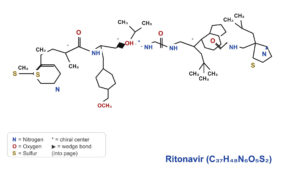
Ritonavir is an antiviral medication. It belongs to the protease inhibitor class of drugs used in HIV treatment. The active ingredient ritonavir blocks a specific enzyme that HIV needs to reproduce. It comes in tablet form at various strengths, most commonly 100 mg and 200 mg per tablet. Ritonavir tablets are white to off-white in color. Store them at room temperature away from moisture and heat.

What Condition Does Ritonavir Treat
HIV infection damages the immune system by destroying CD4 cells. Without treatment, this leads to AIDS and serious illness. Ritonavir stops HIV from multiplying inside the body. This slows disease progression and lets the immune system recover. Most doctors prescribe it as part of combination therapy. Taking it correctly helps patients live longer, healthier lives with undetectable viral loads.
How Ritonavir Works in Your Body
Ritonavir blocks protease, an enzyme HIV uses to assemble new virus particles. Once blocked, HIV cannot create mature, infectious viral particles. The virus cannot spread to new cells effectively. Over weeks and months of consistent use, virus levels in the bloodstream drop significantly. When viral load drops below detectable levels, the medication has succeeded.
How to Take Ritonavir Tablets Correctly
Most patients take ritonavir 100 mg to 200 mg twice daily with food. Food improves absorption and reduces stomach upset. Swallow the tablet whole with water. Do not crush, chew, or split it unless your doctor says otherwise. Take ritonavir at the same times each day. This keeps steady levels in your bloodstream. If you miss a dose, take it as soon as you remember.
Do this unless your next dose is within a few hours. Missing doses repeatedly can lead to viral resistance. This makes the medication less effective over time.
Missing a Dose
If you miss your ritonavir dose, take it immediately when you remember. Do not double-dose to make up for a missed tablet. Skipping doses on purpose lets HIV mutate and resist the drug. Use a pill organizer or phone reminder to stay on schedule. Consistent timing matters most. Most patients manage twice-daily dosing when built around meals.
Side Effects
- Nausea or mild stomach discomfort when first starting
- Diarrhea or loose stools from changes in gut bacteria
- Headache or mild dizziness as your body adjusts
- Metallic taste in mouth from the drug’s interaction with taste receptors
- Mild fatigue or reduced energy as your immune system recovers
Most effects fade within two to four weeks. Taking the tablet with food reduces nausea.
How Ritonavir Tablets Are Supplied and Stored
Ritonavir tablets come in bottles of 30 to 180 tablets. Store them in the original container at room temperature, between 68°F and 77°F. Keep the container tightly closed away from bathrooms. Do not refrigerate or freeze ritonavir tablets. A daily pill organizer helps you remember doses while maintaining proper storage in a cool, dry cabinet.
Dosage Adjustments and Special Situations
Standard adult dosing is 100 mg to 200 mg twice daily with food. Patients with liver disease may need lower doses or closer monitoring. Those taking other medications must tell their doctor. Ritonavir interacts with many drugs by affecting how the liver processes them. Pregnancy does not prevent ritonavir use.
Many women take it during pregnancy to prevent transmission to the baby. Kidney disease does not require dose adjustment. The body eliminates ritonavir primarily through the liver.
Important Note on Medical Guidance
This information covers how ritonavir works and general usage patterns. Your doctor should determine whether this medication suits your health situation. HIV treatment plans are highly individual. They depend on medical history, other medications, and lab results. Follow your doctor’s prescription exactly. Report any concerning symptoms at your next visit.
Price and Where to Get Ritonavir Tablets
Ritonavir tablet costs $2.45 per tablet at GetHIVTreatment. Pricing varies by strength and order quantity. Most patients buy a month’s supply to lower the per-unit cost. Check current stock and strength options before ordering.