
Category: Ritonavir + Lopinavir
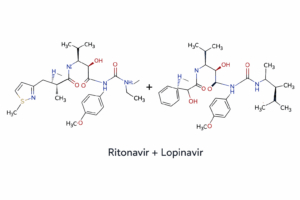
Lopinavir and ritonavir is a fixed-dose combination protease inhibitor tablet containing lopinavir and the booster ritonavir. It treats HIV infection by blocking the protease enzyme the virus needs to replicate. This oral tablet formulation is taken as part of combination antiretroviral therapy alongside other HIV medications.
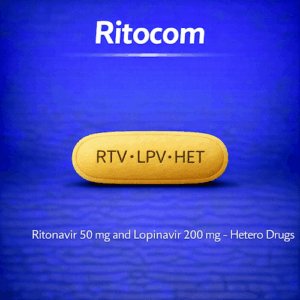
What Is Lopinavir and Ritonavir?
Lopinavir and ritonavir is a fixed-dose combination tablet. It contains two active ingredients: lopinavir (a protease inhibitor) and ritonavir (a pharmacokinetic booster). The standard strength is 200 mg lopinavir with 50 mg ritonavir per tablet. Some formulations offer 100 mg lopinavir with 25 mg ritonavir for dose flexibility.
Ritonavir does not fight HIV directly. Instead, it slows how quickly your body breaks down lopinavir. This keeps lopinavir levels higher in the bloodstream for longer. The combination allows lower doses while maintaining therapeutic effect.
This two-drug approach became a cornerstone of HIV treatment in the 1990s. Many patients have used this combination for decades with sustained viral suppression.
What Condition Does Lopinavir and Ritonavir Treat?
HIV weakens the immune system by destroying CD4 cells. These cells coordinate your body’s defense against infection and cancer. Without treatment, HIV progresses to AIDS. The body cannot fight even common illnesses. Opportunistic infections become life-threatening.
Lopinavir and ritonavir blocks protease. This is an enzyme the virus needs to replicate. Without working protease, HIV cannot create mature viral particles. The virus count drops. CD4 cells recover. Your immune system restores function.
This medication is part of combination antiretroviral therapy. It works best alongside two nucleoside reverse transcriptase inhibitors or integrase inhibitors. Treatment typically involves three or more drugs taken together.
Never take this protease inhibitor alone.
How Lopinavir and Ritonavir Works in Your Body
Protease is an HIV enzyme that cuts newly made viral proteins into active pieces. Without this cutting, the virus cannot assemble functional copies. The viral load stays controlled.
After HIV infects a CD4 cell, the virus makes long chains of viral proteins. These chains must be cut into individual functional proteins. Protease does the cutting. Lopinavir binds to protease and jams the enzyme’s active site. The cutting stops. Immature, non-infectious virus particles form instead of mature ones. These cannot infect new cells.
Ritonavir enhances this by inhibiting liver enzymes that normally break down lopinavir. By slowing that breakdown, ritonavir keeps lopinavir levels stable and high. Lower doses work as well as higher doses would without the booster.
Treatment success depends on keeping drug levels consistent. Missed doses allow viral rebound.
How to Take Lopinavir and Ritonavir Tablet?
Take lopinavir and ritonavir exactly as your doctor prescribes. The standard adult dose is one 200/50 mg tablet twice daily with food. Some regimens use one 100/25 mg tablet four times daily, though twice-daily dosing is more common now.
Food matters for absorption. Take this medication with a meal or snack containing fat. A fatty meal improves absorption by 20 to 30 percent compared to fasting. Without food, plasma levels drop significantly.
Take it at the same times each day. Set phone reminders if needed. Swallow tablets whole. Do not crush, chew, or split them.
If you miss a dose, take it as soon as you remember—unless the next dose is within a few hours. Never double-dose to make up. Missing one dose usually causes no viral rebound, but consistent adherence over weeks builds resistance. Resistance makes this drug stop working permanently.
Store tablets at room temperature, away from moisture and heat. Bathroom cabinets get too humid. Use a bedroom drawer or kitchen cabinet instead.
Side Effects
Most side effects are mild and manageable:
- Nausea or upset stomach (protease inhibitors irritate the intestinal lining; often improve after weeks)
- Diarrhea or loose stools (ritonavir stimulates gut motility; fiber or loperamide may help)
- Headache or dizziness
- Fatigue or low energy
- Taste changes or metallic mouth
- Mild rash or skin irritation
Take this medication with food to reduce stomach upset. Drink more water. Rest when fatigued. Most side effects fade within one to three months as your body adapts.
Serious Side Effects Requiring Medical Attention
Serious side effects are uncommon but demand immediate care:
- Severe liver damage (yellowing of skin or eyes, dark urine, severe abdominal pain. Protease inhibitors are metabolized in the liver; those with hepatitis B or C are at higher risk)
- Severe skin reactions (Stevens-Johnson syndrome or toxic epidermal necrolysis—rare but life-threatening rash with blistering)
- Pancreatitis (severe upper abdominal pain, back pain, vomiting, increased triglycerides from protease inhibitors increase this risk)
- Muscle pain or breakdown (myalgia or rhabdomyolysis, especially with certain statin drugs)
- Heart rhythm changes (palpitations or chest pain)
Drug Interactions and Contraindications
Lopinavir and ritonavir interacts with many medications. Ritonavir inhibits liver enzymes that metabolize other drugs. Do not take nitrates for chest pain with this protease inhibitor—the combination causes dangerous blood pressure drops. Avoid certain statins like simvastatin or lovastatin.
Tell your doctor about all medications, supplements, and herbal products before starting. Patients with severe liver disease or untreated hepatitis should consult a specialist. Those with hemophilia may experience increased bleeding. Discuss these conditions with your prescriber before beginning treatment.
Alternative HIV Protease Inhibitors and Boosted Regimens
If lopinavir and ritonavir is not suitable, other options exist:
- Atazanavir with ritonavir
- Darunavir with ritonavir (or cobicistat)
- Tipranavir with ritonavir
Newer integrase inhibitors such as dolutegravir or bictegravir now form first-line regimens for many patients. They work by blocking integration of viral DNA into the host genome. Dosing is simpler and side effects are fewer.
Non-nucleoside reverse transcriptase inhibitors like rilpivirine offer alternatives but have lower genetic barrier to resistance. Your HIV specialist will recommend the best combination based on your viral load, CD4 count, resistance testing, and medical history.
Suggestions and precautions
Adherence is critical. Missing doses allows the virus to develop resistance. Once resistant, it stops working permanently. Set daily reminders. Use a pill organizer. Take it with food every time.
Store at room temperature in a dry place. Keep out of reach of children. Do not share with others.
Most patients ask whether they need dietary restrictions beyond taking it with food. The answer is no. A healthy, balanced diet supports immune recovery.
Attend all follow-up appointments. Your doctor will monitor CD4 count, viral load, and liver function through blood tests. Testing happens every three months, then every six months once stable. Treatment success is measured by undetectable viral load.
Price and Where to Get Lopinavir and Ritonavir Tablets
Lopinavir and ritonavir tablets are available at GetHIVTreatment starting at $3.20 per tablet. The exact price depends on tablet strength and quantity. Stock is maintained for prompt dispatch where regulations allow.
Order online and confirm pricing at checkout. Availability varies by region and prescription status.