
Category: Atazanavir
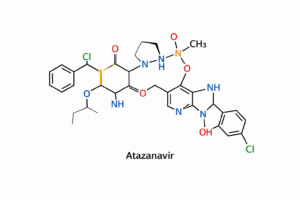
Atazanavir tablet is an antiretroviral medicine. It treats HIV infection. The medication belongs to a group called protease inhibitors. Doctors give it as part of a full HIV regimen with other drugs. Many people take it once daily with food. The goal is to lower the virus load in the blood to an undetectable level. When that happens, your immune system gets stronger. You feel better and healthier.
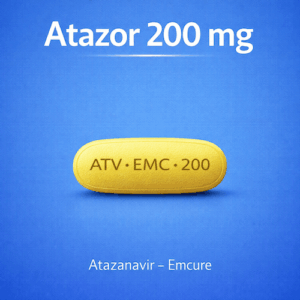

Atazanavir often needs a small booster. That can be ritonavir or cobicistat. The booster raises the atazanavir level in the blood. This helps the drug work well throughout the day. Some people can take atazanavir without a booster. Your doctor will decide based on your other medicines and lab tests.
How does Atazanavir work?
HIV needs an enzyme called protease to cut long viral proteins into working parts. Atazanavir sits on this protease and blocks it. The virus tries to make copies, but the parts are not cut right. The new virus comes out weak and cannot spread well. The viral load goes down if you take your pills every day. Your immune cell count can go up with time.
Benefits
- Once daily dosing is recommended for most people.
- Often easier on cholesterol and triglycerides compared to some older protease inhibitors.
- Works well when boosted. The barrier to resistance is reasonable when you keep good adherence.
- Long clinical use worldwide.
- Fewer side effects
Who should not use it or needs caution
- Heart rhythm issues need caution. Atazanavir can prolong the PR interval. If you have existing heart conduction or take other similar drugs, speak to your doctor first.
- Liver problems need careful review. Tell your doctor if you have hepatitis B or C or cirrhosis.
- Kidney stones can occur. If you had stones before, drink enough water and report flank pain early.
How to take Atazanavir
- Take atazanavir with food. A proper meal or snack helps your body absorb it.
- A usual adult dose when boosted is 300 mg atazanavir plus 100 mg ritonavir once daily. Some take atazanavir 300 mg with cobicistat 150 mg once daily. A few take unboosted 400 mg once daily. The right plan depends on other medicines and your virus history.
- Swallow the capsule whole. Do not open or crush unless your doctor says it is okay.
- If you miss a dose, take it when you remember. If it is near the next time, skip the missed one. Do not double.
- Keep drinking water through the day. This helps kidney safety.
These are common patterns only. Always follow the exact plan your doctor writes.
Important interactions
Acid reducers. Atazanavir needs stomach acid for absorption. Antacids can lower its level. Take atazanavir at least 2 hours before or 1 hour after antacids.
H2 blockers like ranitidine or famotidine need careful timing and dosing. Your doctor will give you a schedule. Proton pump inhibitors like omeprazole can reduce atazanavir too much. Avoid them unless your HIV doctor says it is safe and gives exact timing.
Certain statins. Simvastatin and lovastatin are not allowed. Atorvastatin may be used at the lowest dose with close watch. Pravastatin or pitavastatin are often preferred.
Heart rhythm drugs. Be extra careful with drugs that slow the heart or affect conduction.
Anti-seizure medicines like carbamazepine, phenytoin, and phenobarbital can reduce atazanavir. Avoid or adjust.
Other HIV drugs. Do not combine atazanavir with other protease inhibitors. Tenofovir disoproxil fumarate can reduce atazanavir levels. Boosting is usually required in that case.
Never start or stop any medicine without checking with your HIV doctor or pharmacist.
Side effects
- Nausea, stomach pain, diarrhea
- Headache, tiredness
- Skin rash that is usually mild
- Two side effects deserve special mention.
Yellow eyes or skin. Atazanavir can increase bilirubin in blood. This is called indirect hyperbilirubinemia. It can make the whites of your eyes look yellow. It often looks scary but liver tests are normal in many cases. It usually settles or stays stable on its own. Call your doctor if you see deep yellow color or feel very unwell.
Kidney and gallbladder stones. Some people get kidney stones or gallstones. Drink water well. Report severe side or back pain, painful urination, or right upper belly pain.
Serious but rare effects include severe rash, liver injury, heart rhythm changes, or severe allergic reaction. Seek urgent care if you feel chest pain, fainting, severe rash with blisters, dark urine, or intense belly pain.
Warnings and precautions
- Take with food. This is important for steady absorption.
- Keep all follow up visits. You will need viral load and CD4 checks.
- Get liver function tests and kidney function as advised.
- If you have diabetes or prediabetes, monitor sugar. Some people see changes with protease inhibitor therapy.
- If you are pregnant or planning, tell your doctor early. Treatment choice can change in pregnancy.
If you have hepatitis B or C, do not stop other hepatitis drugs suddenly. Flares can happen. Your care team will plan safely.
Precaution, Suggestion and Monitoring
Before starting. Viral load, CD4, liver and kidney tests, pregnancy test when relevant, hepatitis screening, EKG if heart history.
After the start. Viral load at 4 to 12 weeks. Then every 3 to 6 months. Periodic liver and kidney tests.
If jaundice appears, check bilirubin and liver enzymes.
If stones are suspected, a urine test and ultrasound may be needed.
Special groups
Pregnancy. Atazanavir has been used during pregnancy with ritonavir boosting. Dosing and partner drugs may be adjusted. Newer regimens are often preferred today. Your obstetrician and HIV specialist will guide you.
Children. There are pediatric dosing plans by weight. Liquid or capsule forms may be used. Do not guess the dose. Follow the child specialist’s advice.
Kidney disease. No change for mild to moderate disease. In people on hemodialysis, boosted atazanavir may not reach steady levels. Specialists choose alternatives.
Liver disease. Dose changes or a different regimen may be needed. Severe hepatic disease often means avoiding atazanavir.
Tips for living well with atazanavir
- Set a daily reminder. Consistency is key.
- Keep a small snack ready. Taking with food is easier that way.
- Carry a list of your medicines in your wallet. It helps in emergencies.
- Protect your skin. Some people get photosensitivity. Use sunscreen and a hat when outdoors.
- Stay active and eat balanced meals. This supports heart and liver health.
Storage and handling
Store at room temperature. Keep the bottle tightly closed. Protect from moisture. Keep away from children and pets. Do not use after the expiry date on the label.
FAQs
Does atazanavir cure HIV?
No. It controls the virus when taken with other antiretrovirals. It helps you reach and stay undetectable.
Can I drink alcohol?
Small amounts may be okay for many. Heavy drinking is harmful to the liver. Ask your doctor based on your labs.
I see yellow eyes after starting. Is it liver failure?
Often, it is bilirubin rise without liver injury. Still call your doctor. Tests will confirm.
Can I take heartburn medicines?
Avoid PPIs unless your HIV doctor clears them. Take space antacids and follow the timing for H2 blockers.
What if I miss a dose often?
Talk to your doctor. They can suggest tools or consider a regimen that better fits your schedule.
Where to buy Atazanavir tablet?
Buy Atazanavir tablet at gethivtreatment.com a store for all antiretroviral medicines. Delivering discreetly at your shipping address. Privacy matters? Choose gethivtreatment.com
Sources
- U.S. DHHS Guidelines for the Use of Antiretroviral Agents in Adults and Adolescents with HIV
- U.S. FDA prescribing information for Atazanavir and Evotaz
- British HIV Association treatment guidelines
- World Health Organization HIV treatment resources